Oxygen-based training technologies are becoming increasingly popular in sports performance, wellness centers, rehabilitation facilities, and commercial fitness environments. Two commonly discussed systems are EWOT (Exercise With Oxygen Therapy) and hypoxic training systems.
Although both involve oxygen management during exercise, they work in opposite ways.
An EWOT system increases oxygen availability during exercise by supplying higher-concentration oxygen while a person is physically active.
A hypoxic training system reduces available oxygen concentration to simulate high-altitude environments and encourage the body to adapt to lower oxygen conditions.
Understanding this difference is essential for businesses selecting sports recovery equipment, oxygen training systems, or altitude training equipment.
EWOT stands for Exercise With Oxygen Therapy. An EWOT system combines exercise equipment with an oxygen supply system to allow users to breathe supplemental oxygen during physical activity.
The basic concept is to provide additional oxygen while the body’s demand for oxygen is elevated during exercise.
EWOT systems are commonly used in:
A typical EWOT setup includes an oxygen source, storage system, breathing interface, and exercise equipment.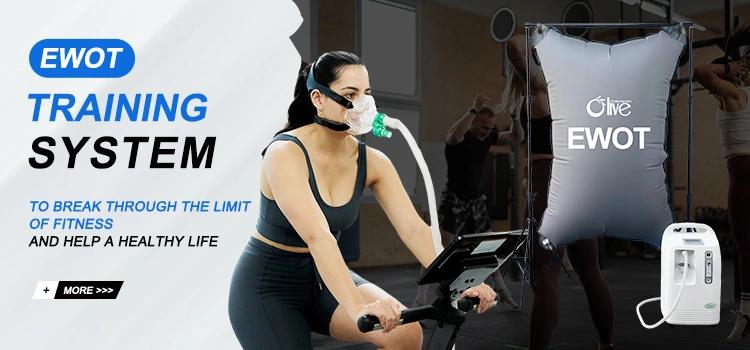
During exercise, muscles require more oxygen to support energy production. An EWOT system delivers supplemental oxygen through a mask or breathing device while the user performs activities such as cycling, walking, or resistance exercise.
A typical process includes:
Many commercial systems use oxygen concentrators as the oxygen source. For businesses, selecting a reliable oxygen supply unit is important for consistent operation.
Related products:
A hypoxic training system is designed to create a low-oxygen environment similar to high-altitude conditions.
Instead of adding oxygen, a hypoxic generator reduces the oxygen concentration in the air that users breathe.
This technology is commonly known as:
Hypoxic systems are widely used by:
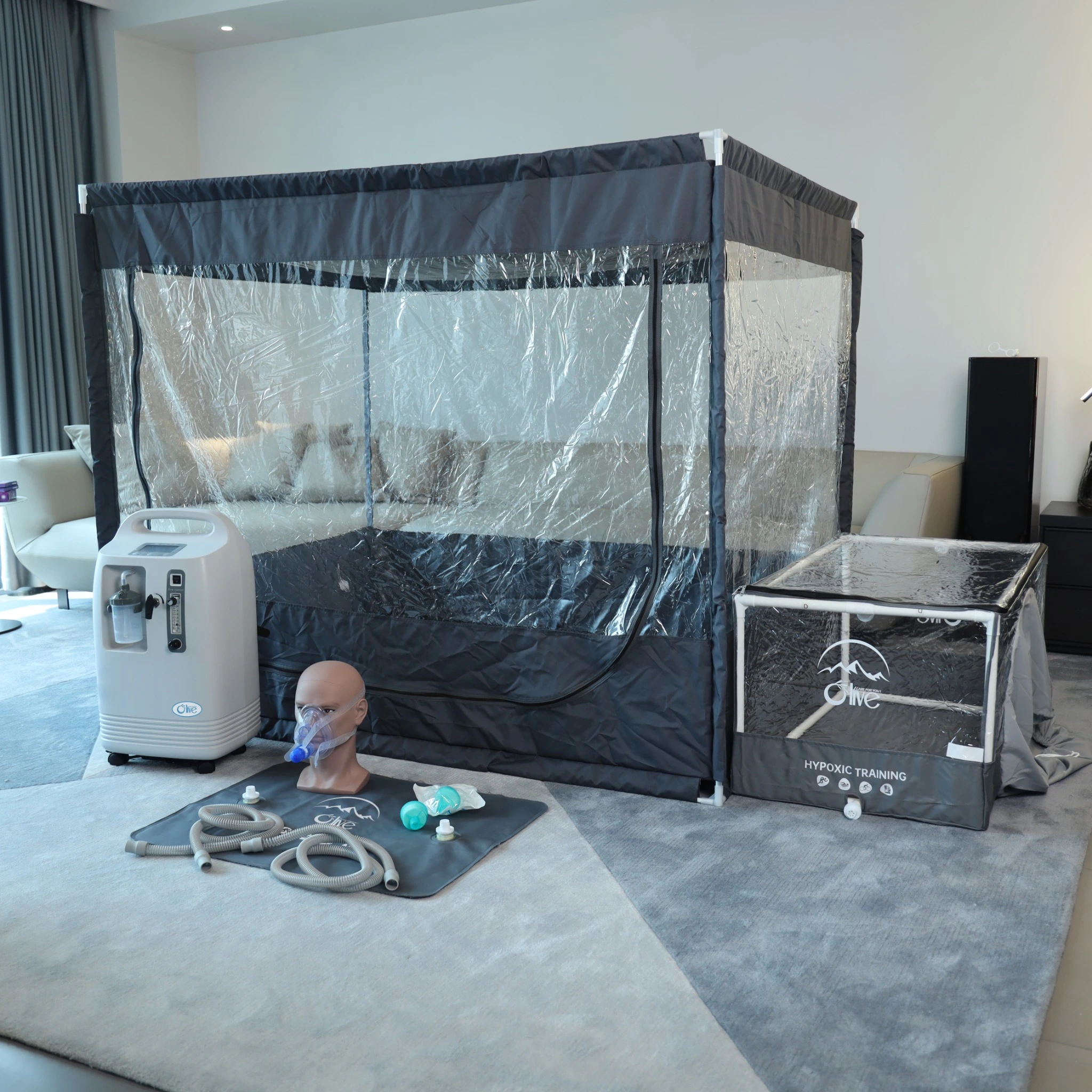
A hypoxic generator produces air with reduced oxygen concentration and supplies it through a mask, tent, room system, or training environment.
For example:
Users may train under controlled oxygen conditions to support altitude adaptation strategies.
Professional guidance is recommended when designing hypoxic training programs, especially for individuals with medical considerations.
| Feature | EWOT System | Hypoxic Training System |
|---|---|---|
| Main purpose | Provide additional oxygen during exercise | Simulate high-altitude conditions |
| Oxygen level | Increased oxygen availability | Reduced oxygen availability |
| Main equipment | Oxygen generator, reservoir, breathing system | Hypoxic generator, control system, masks or chambers |
| Typical users | Wellness clients, athletes, recovery programs | Endurance athletes and altitude training facilities |
| Training concept | Oxygen enhancement | Altitude adaptation |
| Environment | Normal environment with supplemental oxygen | Controlled low-oxygen environment |
The biggest difference between these technologies is the training objective.
An oxygen training system focuses on supplying oxygen during exercise.
Common goals include:
EWOT is one example of an oxygen training system.
Altitude training equipment focuses on creating lower oxygen environments.
Common applications include:
Hypoxic generators are the core technology behind these systems.
Although both systems may use oxygen-related technology, the generators serve different purposes.
| Equipment Type | Function | Output |
| EWOT oxygen generator | Produces concentrated oxygen | Higher oxygen concentration supply |
| Hypoxic generator | Produces oxygen-reduced air | Lower oxygen concentration environment |
Businesses should not assume these systems are interchangeable. Choosing the wrong technology may result in a system that does not match the intended training program.
Before purchasing equipment, buyers should evaluate several factors.
Ask:
For wellness and recovery-oriented businesses, EWOT systems may be more suitable.
For athletic altitude simulation programs, hypoxic training systems may be the better choice.
Evaluate:
A small training studio may require a compact oxygen system, while a professional sports facility may need a larger integrated setup.
Commercial buyers should consider:
Reliable equipment is especially important for distributors, clinics, and fitness facilities operating multiple daily sessions.
Some buyers purchase equipment based only on marketing descriptions.
The correct choice depends on whether the goal is oxygen supplementation or altitude simulation.
EWOT increases oxygen availability.
Hypoxic training decreases oxygen availability.
They are complementary technologies, not identical systems.
A commercial facility should calculate:
Undersized equipment may reduce efficiency.
Lower-cost equipment may create higher long-term expenses if maintenance, reliability, and support are limited.
A performance center may use hypoxic training systems for athletes who want altitude simulation programs.
Example:
An endurance training facility installs a hypoxic generator to create controlled altitude conditions for cycling and running sessions.
A wellness center may use EWOT equipment as part of exercise-based oxygen sessions.
Example:
Clients perform light exercise while receiving supplemental oxygen through an EWOT setup.
Some rehabilitation facilities may integrate oxygen equipment into supervised programs depending on professional recommendations.
Premium gyms may add oxygen training systems as an additional service offering.
Before investing in an EWOT or hypoxic system, ask:
For businesses purchasing oxygen equipment in bulk, working with an experienced manufacturer can simplify customization and after-sales support.
EWOT provides additional oxygen during exercise, while hypoxic training reduces oxygen availability to simulate altitude conditions.
An EWOT system is commonly used in sports, wellness, and exercise environments where supplemental oxygen during activity is desired.
A hypoxic generator creates oxygen-reduced air for altitude simulation and controlled hypoxic training.
Some facilities may use both technologies for different training goals, but they serve different purposes.
It depends on the training objective. Endurance athletes focused on altitude adaptation may use hypoxic systems, while facilities focused on oxygen-supported exercise may consider EWOT.
Typical systems include an oxygen source, storage or delivery components, breathing equipment, and exercise equipment.
Yes. Hypoxic training programs should be designed and monitored appropriately, especially for individuals with health considerations.